DAVID MARCHESE OF THE NEW YORK TIMES MAGAZINE ON DEATH, DIET COKE, AND WAYNE GRETZKY

If you’re a fan of celebrity, chances are you’ve encountered the work of David Marchese. His interviews, whether published by his former employer, New York Magazine, or his current one, The New York Times Magazine, regularly unearth some of the more revelatory details about our most mystifying stars. The most famous example is probably Marchese’s 2018 conversation with Quincy Jones, during which he revealed, among other things, that he used to date Ivanka Trump. But there are countless examples of other eyebrow-raisers in Marchese’s ouvre; in his interview with Eminem, the rapper said he frequented strip clubs and Tinder to find dates post-divorce. Or, there’s his recent interview with Whoopi Goldberg, where she admitted that hosting The View is not “enough.” 

Read More
Sonics Great Detlef Schrempf On Music, Money And Matrimony

It’s been 20 years since Seattle SuperSonics legend, Detlef Schrempf, suited up in the green and gold, but that hasn’t stopped the former All-NBA player from making a home in the Emerald City area (Bellevue, technically), where the German-born sharp-shooter lives, plays golf and works at an investment firm, Coldstream Capital. I caught up with Schrempf at Third Culture Coffee in Old Bellevue to ask him about the music he listened to when he hooped, his favorite Seattle bands in college and who decides on the soundtrack in an NBA locker room.

Read More
Talib Kweli On Freestyling, Reading, Black Star And Lauryn Hill

If you came of age in the 90s or early 2000s, backpack or underground hip-hop was likely a large part of the music in your favorite CD binder (and later your iPod). That being the case, one of your favorite rappers was likely Talib Kweli, the Brooklyn-based emcee who rose to fame with his brother-in-rap, Mos Def (aka Yasiin Bey) and other fellow mic rippers like Common Sense and The Roots. Since those years, Kweli, who plays Nectar Lounge July 27, has solidified himself as an important voice when it comes to socially conscious ideas and practices. To preview his upcoming Emerald City show, I caught up with Kweli to ask him about those early years, if he read a lot as a kid and when he first began to write and perform.

Read More
TONY MILLIONAIRE’S JOURNEY FROM DISHWASHER TO NOTORIOUS CARTOONIST

Before becoming a renowned cartoonist, Tony Millionaire struggled to find any work at all. But after quitting a middling dishwashing job, he had an epiphany. He decided to go door-to-door in wealthy neighborhoods and draw the manicured mansions and sell the pictures to the people who lived there, earning a living one $25 piece at a time. In the winter, though, the drawing work dried up and Millionaire had to scramble to find new income, eventually landing a job as a demolition man.

“The people who had money to spend on drawings lived in big, fancy houses,” recalls Millionaire, a nationally syndicated cartoonist. “If you have a nice, big old house, the garden comes in perfectly, the roof is fixed, the flowers are coming in nicely. How do you put a period on that? You have somebody draw a picture of it. But you can’t really do that in winter. So, I had to find a job in construction. I used to do the demolition inside houses. I’d tear them down in winter and draw them in summer.”

Read More
UPPER HAND: THE MOST NOTORIOUS CARD COUNTER IN AMERICA

Professional card counter, David Drury, began his career calculating odds and beating casinos because of a little “divine intervention.” Dury, a regular churchgoer, had picked up a few card counting tricks from books and was instantly hooked. Not long after, a friend from church started a high stakes blackjack team (“What are the chances?” Drury says). Dury joined and honed his skills and since, he’s flown the country, stayed in suites and bet thousands of dollars of other people’s money. For a time, he was even known as the Most Notorious Card Counters in America.

Read More
Nurse Opens Domestic Violence Shelter That Gives Free Healthcare To Homeless and Uninsured

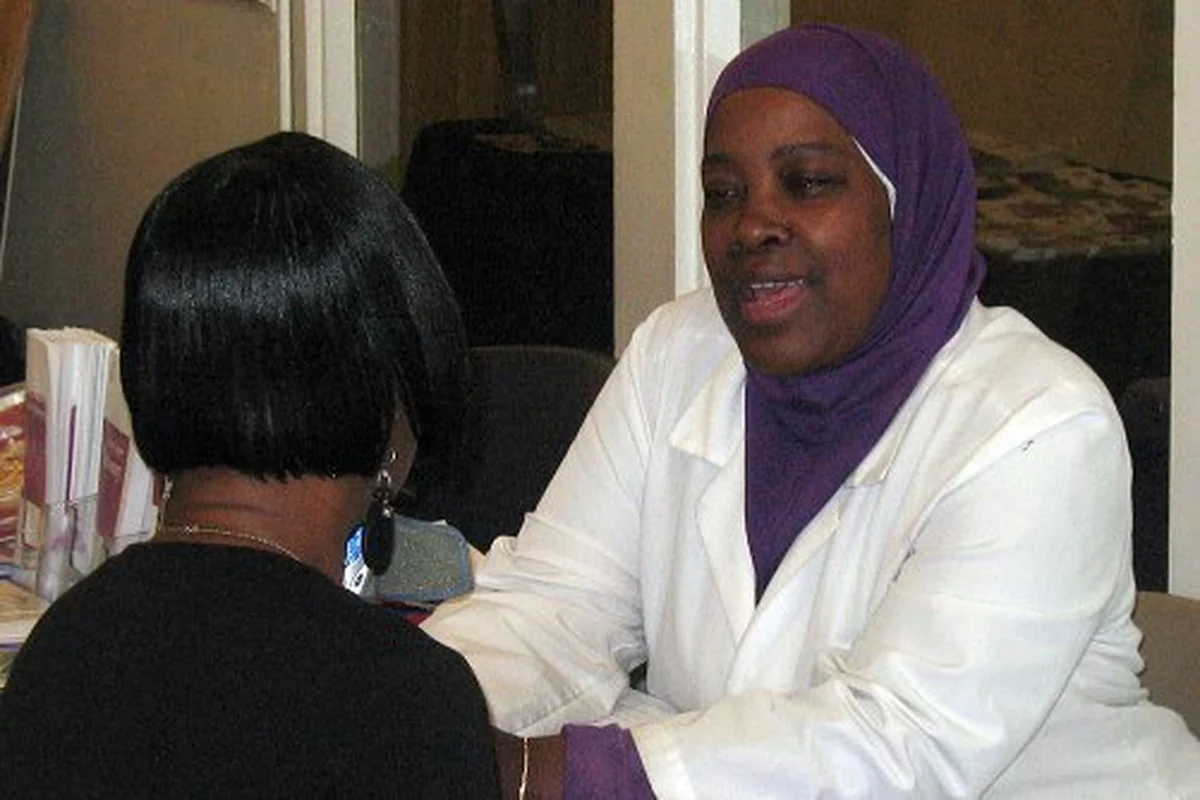
It’s hard to know where to begin when talking about Asma Inge-Hanif. The hardworking, selfless caregiver, who is the director and co-Founder of IBM/Al-Nisaa Healthy Solutions Medical Center, has done so much for others throughout her career. She is a nurse, a chaplain, and has started countless initiatives to help underserved and forgotten people and she does so having seen so much sadness in and around her life over the years. 

Read More
Seattle's Supremely Lovable Adra Boo on Pride and Playing GAYEXP

Seattle’s Adra Boo is supremely lovable. Just ask anyone who’s spent time with her in any creative capacity. She’s buoyant. She’s thoughtful. She’s honest. And she’s integral to the Emerald City music community, whether she’s fronting a project like Fly Moon Royalty, emceeing a festival like Timber! or giving advice on the side in the green room. We caught up with the musical dynamo to preview the gig and to ask her who she’s listening to these days, how her identity as a queer woman informs her art, and when she started singing.

Read More
Q&AJake UittiKEXP
LEFT AT LONDON ON BEING YOURSELF, NO MATTER WHAT

Seattle’s Nat Puff – aka Left At London, aka l@l – makes beautiful, often spare pop music. And while the songwriter is open about very personal things in her life, like depression, mental illnesses and her identity as a trans woman, Puff’s music is more than the sum of even these vast and nuanced parts. Her song, “Revolution Lover,” off the Transgender Street Legend Vol. 1 EP, sounds like an early Kanye West track with high-register samples and it’s followed up with the acoustic and drum-driven, “I Split My Ribs Open,” featuring the beloved renowned rapper Open Mike Eagle. Puff’s first EP includes the bubble gum sticky, “Felt Like I Had Died,” and hearing it, you know Left At London is destined for great sonic things. We caught up with the artist to ask her about recording her very first song, spending time in a mental hospital, writing poetry and what the idea of love means to her.

Read More
Seattle’s Merrilee Rush Looks Back at Her Hit "Angel of the Morning"

Just over 50 years ago, the song, “Angel of the Morning,” hit the national airwaves and turned Seattle’s Merrilee Rush into a household name.

The song, composed in 1966 and released in 1968, rocketed up the charts and has since been recorded by dozens (read: countless) of other artists. Rush, who came up in the Emerald City, singing popular teenage dances in local venues, lends her giant, golden voice to the track, which has since been placed in television and movie soundtracks like 1978’s Fingers, starring Harvey Keitel. We caught up with Rush, who recently turned 75, to talk about her origins as an artist in the Northwest, how she came to sing the iconic track and what she learned throughout her career. 

Read More
Q&AJake UittiKEXP
The Cult's Ian Astbury on His Life in Music

Ian Astbury speaks slowly, methodically. The front man for the historic British rock band The Cult, which plays Monday at The Moore Theatre, is thoughtful when he recounts his early introduction to music. For the Liverpool-born artist, the Beatles played a big role in his beginnings as a songwriter, but then his horizons expanded as a result of his exposure to David Bowie, Iggy Pop and Lou Reed. The Cult, which has significant collaborative connections with bands like Metallica, The Clash, Guns ‘N’ Roses and the Beastie Boys, has also been an influence to so many bands following their lead.

Read More
Q&AJake UittiKEXP
Interview // The Longer I’m on this Boat: A Conversation with Sierra Golden

Northwest writer Sierra Golden composes bare-knuckle poetry. Reading Golden, who was born in Alaska and spent summers fishing commercially, is like pulling up galoshes, throwing on a coat and preparing for a back alley brawl with the elements. Hers is a keen eye for worn things and linguistic gut punches. With her astonishing collection, The Slow Art, in tow, Golden has proven her poetic prowess through storytelling and unique details, which is exactly why we wanted to catch up with the author and talk with her about what she learned living on boats for months, how fishing informed her physicality, and if she ever felt in danger at sea. 

Read More
Culinary Change Agent

For Los Angeles–based chef Roy Choi, who is often credited with spearheading the modern high-quality food truck movement, and who has dedicated his life to feeding people of all walks of life, real societal change happens with each basket of produce sold and each plate of food served. Choi’s TV show, Broken Bread, which launched in May, aims to prove this point.

Read More
Music Heals: Patrick Stickles of Titus Andronicus on a Lifetime of Addiction

New Jersey-based songwriter, Patrick Stickles, has led a life oversaturated with substances. From the age of five, he’s been on drugs in some form or another. The verbal, eloquent musician, who fronts the band, Titus Andronicus, however, is candid about his experiences. He’s an open book, nervous but unashamed to speak on his experiences both as an artist and as a user and consumer of drugs, both elicit and prescribed. We caught up with Stickles to talk with him about his decades as a drug user and to ask him how making music helps him cope with his addictions and his neurodiversity. 

Read More
Q&AJake UittiKEXP
The First Nurse Featured on TED Talks Launches Society For Nurse Entrepreneurs, Innovators

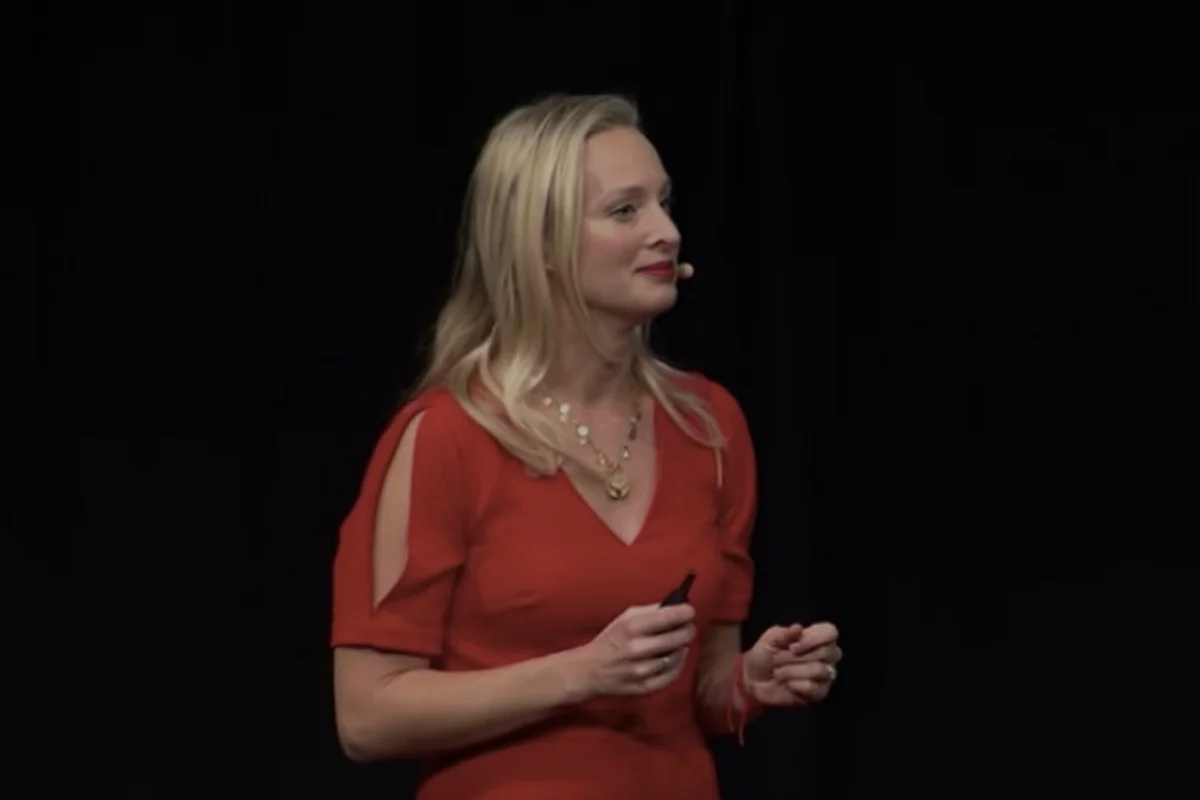
Rebecca Love, the first nurse to give a TEDx talk and the founder of many businesses including HireNurses.com, spoke with us about her inspirations, why she became a nurse and how the support from her mother, who is also a nurse, changed her life and likely the lives of many others.  

The Massachusetts-based nurse is as passionate as they come. In one way, she is driven by a myriad of projects and the dream of helping all nurses find a better way to do their job. But in another way, Love is driven by a single idea: to elevate the public perception of nurses to ensure that the job of bedside caregiver doesn’t go extinct. 

Read More